As the healthcare landscape continues to evolve, the role of collaborating physicians in telehealth has become increasingly vital. In this guide, we delve into the world of Collaborating Physician Opportunities for Telehealth Providers, exploring the benefits, requirements, communication strategies, legal considerations, and collaborative care planning in this dynamic field.
Exploring Collaborating Physician Opportunities
Collaborating physicians play a crucial role in telehealth by providing support and expertise to telehealth providers. These physicians work closely with telehealth teams to ensure patients receive high-quality care and treatment remotely.
Benefits of Collaborating Physicians
- Enhanced Patient Care: Collaborating physicians bring specialized knowledge and experience to the telehealth team, resulting in better diagnosis and treatment plans for patients.
- Increased Access to Care: By having collaborating physicians on board, telehealth providers can offer a wider range of medical services to patients in remote or underserved areas.
- Improved Care Coordination: Collaborating physicians work collaboratively with telehealth providers to ensure seamless coordination of care between virtual consultations and in-person visits.
- Continuity of Care: Patients benefit from having a collaborating physician involved in their telehealth journey, ensuring consistent and comprehensive care over time.
Enhancing Quality of Telehealth Services
Collaborating physicians contribute to the quality of telehealth services in various ways, such as:
- Providing Second Opinions: Collaborating physicians can offer valuable insights and second opinions on complex cases, improving diagnostic accuracy and treatment outcomes.
- Mentoring Telehealth Providers: Collaborating physicians serve as mentors to telehealth providers, sharing their expertise and knowledge to enhance clinical skills and decision-making.
- Ensuring Compliance and Best Practices: Collaborating physicians help telehealth providers adhere to medical standards, guidelines, and regulations, ensuring high-quality and ethical care delivery.
Requirements and Qualifications for Collaborating Physicians
When it comes to collaborating with telehealth providers, physicians must meet specific qualifications and credentials to ensure quality care and patient safety. Let's explore the necessary requirements for physicians to become collaborating partners in telehealth services.
Necessary Qualifications and Credentials
In order to collaborate with telehealth providers, physicians must hold a valid medical license in the state where the patient is located during the telehealth consultation. This ensures that the physician is legally allowed to practice medicine and provide care to patients remotely.
Additionally, physicians should have relevant board certifications in their specialty to demonstrate their expertise and competence in their field.
Licensing and Certification Requirements
Specific licensing and certification requirements may vary depending on the state and the telehealth platform being used. Physicians should be aware of the telehealth regulations and licensure requirements in each state where they plan to practice. Some states may have specific telehealth licenses or certifications that physicians need to obtain in order to provide virtual care to patients.
Importance of Experience and Specialization
Experience and specialization play a crucial role in selecting collaborating physicians for telehealth services. Physicians with a strong background in telemedicine and virtual care are better equipped to handle the unique challenges and nuances of remote consultations. Specialized knowledge in a particular area of medicine can also enhance the quality of care provided to patients during telehealth visits.
Establishing Effective Communication Channels
Effective communication is crucial in telehealth collaborations between providers and collaborating physicians. Clear and efficient communication ensures that all parties are on the same page, leading to better patient outcomes and overall success of the telehealth program.
Utilizing Teleconferencing Tools
- Teleconferencing tools such as Zoom, Microsoft Teams, or Skype can facilitate real-time communication between telehealth providers and collaborating physicians.
- These tools allow for virtual meetings, discussions on patient cases, and sharing of important information in a secure and convenient manner.
- Establishing a regular schedule for teleconferencing can help ensure that all team members are updated and informed on the latest developments.
Utilizing Secure Messaging Platforms
- Secure messaging platforms like TigerText, Imprivata Cortext, or Lua can be used for quick and encrypted communication between providers and collaborating physicians.
- These platforms enable the sharing of patient information, lab results, and other sensitive data while maintaining HIPAA compliance.
- Having a designated channel for communication within the platform can streamline workflows and improve response times.
Utilizing Electronic Health Records (EHR)
- Integrating EHR systems that allow for seamless communication and information sharing can enhance collaboration between telehealth providers and collaborating physicians.
- Providers can update patient records, treatment plans, and notes in real-time, ensuring that all team members have access to the latest information.
- Utilizing EHR systems with secure messaging features can further improve communication efficiency and coordination of care.
Legal and Regulatory Considerations
When engaging collaborating physicians in telehealth services, it is crucial to consider key legal and regulatory aspects to ensure compliance and ethical practice. This involves adhering to laws such as HIPAA regulations and implementing robust data security protocols to safeguard patient information.
Compliance Requirements and HIPAA Regulations
- Telehealth providers must ensure that collaborating physicians understand and comply with HIPAA regulations regarding the protection of patient health information.
- Providers should implement secure communication channels and data encryption measures to maintain confidentiality and integrity of patient data.
- Regular training sessions and updates on HIPAA guidelines should be provided to collaborating physicians to ensure ongoing compliance.
Data Security Protocols
- Telehealth providers need to establish stringent data security protocols to protect patient information from unauthorized access or breaches.
- Utilizing secure telehealth platforms with end-to-end encryption can help safeguard sensitive data transmitted during telehealth consultations.
- Regular security audits and risk assessments should be conducted to identify vulnerabilities and mitigate potential threats to patient data security.
Adherence to Legal and Ethical Standards
- Telehealth providers should develop clear guidelines and codes of conduct for collaborating physicians to ensure adherence to legal and ethical standards in telehealth practice.
- Regular monitoring and oversight of collaborating physicians' practices can help identify any deviations from legal or ethical standards and address them promptly.
- Encouraging open communication and reporting mechanisms can foster a culture of transparency and accountability among collaborating physicians.
Collaborative Care Planning and Decision-Making
Collaborative care planning is a crucial aspect of telehealth services, involving the coordination and cooperation between telehealth providers and collaborating physicians to ensure comprehensive patient care. Shared decision-making plays a vital role in enhancing patient outcomes and satisfaction in telehealth settings by involving patients in the decision-making process regarding their healthcare.
Benefits of Shared Decision-Making in Telehealth
- Empowers patients to actively participate in their healthcare decisions.
- Improves patient understanding of treatment options and promotes informed choices.
- Enhances patient satisfaction and trust in the healthcare team.
- Reduces the risk of medical errors and promotes better treatment adherence.
Examples of Successful Collaborative Care Models in Telehealth
- Multi-disciplinary team approach: In this model, telehealth providers, collaborating physicians, nurses, and other healthcare professionals work together to develop personalized care plans for patients.
- Virtual tumor boards: Oncology telehealth programs often use virtual tumor boards where specialists, collaborating physicians, and other experts review complex cases and collaboratively decide on the best treatment options for patients.
- Remote monitoring programs: Telehealth platforms with remote monitoring capabilities enable real-time data sharing between telehealth providers and collaborating physicians, allowing for timely interventions and adjustments to treatment plans.
Summary
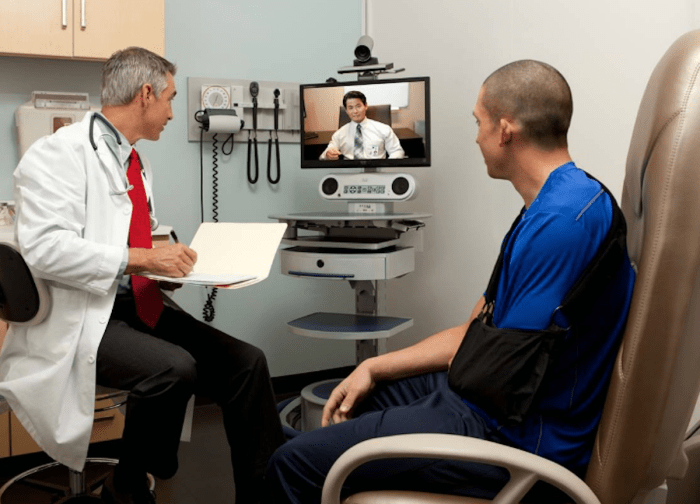
From understanding the importance of clear communication channels to navigating legal and regulatory frameworks, Collaborating Physician Opportunities for Telehealth Providers offer a wealth of opportunities for enhanced patient care and provider collaboration. As you delve deeper into this guide, you'll discover the key insights and strategies that can elevate telehealth services to new heights.
FAQ Overview
What are the qualifications required for collaborating physicians in telehealth?
Collaborating physicians in telehealth need to possess the necessary qualifications and credentials, along with specific licensing or certification requirements depending on the state regulations.
How do collaborating physicians enhance the quality of telehealth services?
Collaborating physicians bring expertise and specialization to telehealth services, improving patient care outcomes and expanding the scope of services offered.
What legal considerations should telehealth providers be aware of when engaging collaborating physicians?
Telehealth providers must ensure compliance with HIPAA regulations, data security protocols, and ethical standards to maintain legal integrity in collaborative partnerships.
How can telehealth providers establish effective communication channels with collaborating physicians?
Utilizing tools and technologies for seamless communication, telehealth providers can foster clear and efficient channels with collaborating physicians, enhancing collaboration and patient care.