Starting with Employee Health Insurance Benefits: What’s Covered and What’s Not, this article dives into the intricacies of health insurance benefits for employees, shedding light on what is included and what is excluded. The following paragraphs will provide a comprehensive overview of this crucial topic.
Subsequent paragraph providing detailed information about the topic
What is Employee Health Insurance Benefits?
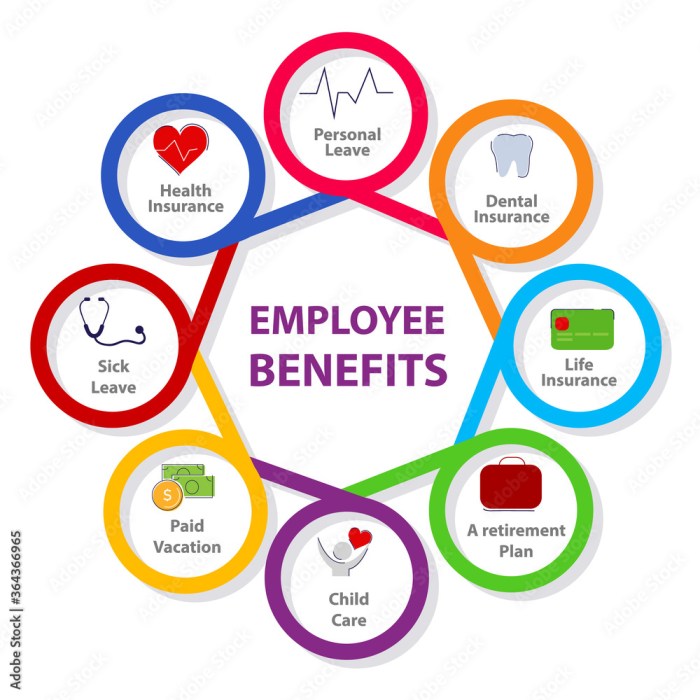
Employee health insurance benefits refer to the coverage provided by an employer to help employees pay for medical expenses. This benefit is crucial for employees as it offers financial protection and access to healthcare services, promoting overall well-being. Health insurance benefits are a vital part of an employee's compensation package, enhancing job satisfaction and retention.
Importance of Offering Health Insurance Benefits
Employers offering health insurance benefits demonstrate their commitment to their employees' health and wellness. By providing access to medical care, employees are more likely to seek preventive services and address health concerns promptly, leading to improved productivity and reduced absenteeism.
Additionally, health insurance benefits can attract top talent, enhance employee morale, and contribute to a positive work culture.
Typical Components Covered Under Health Insurance Benefits
- Medical Services: Coverage for doctor visits, hospital stays, surgeries, and prescription medications.
- Dental and Vision Care: Benefits for routine check-ups, cleanings, eyeglasses, and contact lenses.
- Mental Health Services: Coverage for therapy sessions, counseling, and substance abuse treatment.
- Preventive Care: Services such as vaccinations, screenings, and wellness programs to maintain overall health.
Common Health Insurance Plans Offered to Employees
- Health Maintenance Organization (HMO): Requires employees to choose a primary care physician and obtain referrals for specialists.
- Preferred Provider Organization (PPO): Offers a network of healthcare providers, allowing flexibility to see specialists without referrals.
- High Deductible Health Plan (HDHP): Requires higher out-of-pocket expenses but may be paired with a Health Savings Account (HSA) for tax benefits.
- Point of Service Plan (POS): Combines features of HMO and PPO plans, providing options for in-network and out-of-network coverage.
Coverage Details
Employee health insurance benefits typically cover a range of medical services to ensure comprehensive healthcare coverage. Understanding the coverage details is essential for employees to make informed decisions about their healthcare needs.
Types of Medical Services Covered
- Hospitalization: Health insurance benefits usually cover expenses related to hospital stays, surgeries, and treatments required for inpatient care.
- Medication: Prescription drugs and medications prescribed by healthcare providers are often included in health insurance coverage, though specific drugs may be subject to formulary restrictions.
- Specialist Visits: Consultations with medical specialists, such as cardiologists, dermatologists, or oncologists, are typically covered under health insurance benefits.
Coverage Limits
Health insurance benefits may have limits or restrictions on certain services, such as:
Hospitalization: Coverage may be subject to a maximum number of days or a specific dollar amount per hospital stay.
Medication: There may be restrictions on the types of medications covered, requiring prior authorization or generic substitutions.
Specialist Visits: Limits may apply to the number of visits allowed per year or the types of specialists covered under the plan.
Preventative Care Services
- Annual check-ups and screenings: Health insurance benefits often cover preventative care services like routine physical exams, mammograms, blood tests, and immunizations to help prevent serious health conditions.
- Wellness programs: Some health insurance plans offer access to wellness programs, gym memberships, and nutrition counseling to promote healthy lifestyle choices.
Specific Treatments or Procedures
Examples of specific treatments or procedures that may or may not be covered by health insurance benefits include:
Cosmetic procedures: Elective procedures like cosmetic surgery or teeth whitening are typically not covered by health insurance benefits.
Fertility treatments: Some health insurance plans may cover fertility treatments like in-vitro fertilization (IVF) depending on the policy.
Exclusions and Limitations
When it comes to employee health insurance benefits, it's important to understand that there are certain exclusions and limitations that may apply. These restrictions can impact the coverage provided and may affect the types of treatments or services that are eligible for reimbursement.
Common Exclusions and Limitations
- Preventive care services may be limited to certain age groups or frequency of visits.
- Cosmetic procedures or treatments may not be covered unless deemed medically necessary.
- Dental and vision care may require separate coverage or have specific limitations.
- Mental health services may have restrictions on the number of sessions covered per year.
Scenarios Where Treatments May Not Be Covered
In some cases, certain treatments or services may not be covered by employee health insurance benefits. For example, experimental procedures or elective surgeries that are not considered essential for the patient's health may be excluded from coverage. It's important to review the policy details and consult with the insurance provider to understand which treatments are eligible for reimbursement.
Pre-existing Conditions and Coverage
Pre-existing conditions are medical conditions that existed before the start of the insurance coverage. These conditions may have limitations on coverage, such as waiting periods or higher premiums. It's essential to disclose any pre-existing conditions when enrolling in a health insurance plan to ensure accurate coverage and avoid claim denials.
Coverage for Experimental or Elective Procedures
Experimental or elective procedures may not be covered under employee health insurance benefits unless there is a medical necessity supported by a healthcare provider. These procedures are typically considered non-essential and may require additional documentation or approval from the insurance company.
It's crucial to understand the policy guidelines and consult with the insurer before undergoing any experimental or elective treatments.
Additional Benefits
Employee health insurance benefits often come with additional perks beyond basic medical coverage. These extra benefits can vary depending on the specific plan offered by the employer.
Dental and Vision Coverage
Some health insurance packages include dental and vision coverage as part of the overall benefits. This can help employees maintain their oral and visual health without incurring additional out-of-pocket expenses.
Mental Health Coverage and Wellness Programs
Many employee health insurance plans now include coverage for mental health services and wellness programs. This is crucial for promoting overall well-being and addressing mental health issues that may arise.
Adding Dependents to Health Insurance Plans
Employees often have the option to add their dependents, such as spouses and children, to their health insurance plan. This allows family members to also benefit from the coverage provided by the employer.
Customized Health Insurance Benefits
Employers may offer the flexibility to customize health insurance benefits to suit individual employee needs. This could include options for different levels of coverage, additional services, or specific healthcare providers.
Last Word
In conclusion, Employee Health Insurance Benefits: What’s Covered and What’s Not encapsulates the varied aspects of health insurance offerings for employees, highlighting the importance of understanding coverage details and limitations. This discussion aims to empower readers with knowledge to make informed decisions regarding their health insurance benefits.
Top FAQs
What medical services are typically covered under health insurance benefits?
Medical services such as doctor visits, hospital stays, prescription medications, and preventive care are usually covered.
Are experimental procedures covered under employee health insurance benefits?
Experimental procedures may not be covered unless deemed necessary and approved by the insurance provider.
How do pre-existing conditions affect health insurance coverage?
Pre-existing conditions may lead to limitations in coverage or higher premiums, depending on the insurance policy.
Can dependents be added to an employee's health insurance plan?
Yes, dependents such as spouses and children can often be added to an employee's health insurance plan for additional coverage.
Are dental and vision coverage typically included in health insurance benefits?
Some health insurance packages may offer additional benefits like dental and vision coverage, though it varies by plan.